More from this brand
Technical data
| Attributes | |
| ARTICLE | A-DSM-B |
| NOTES | max lenght 2000 mm |
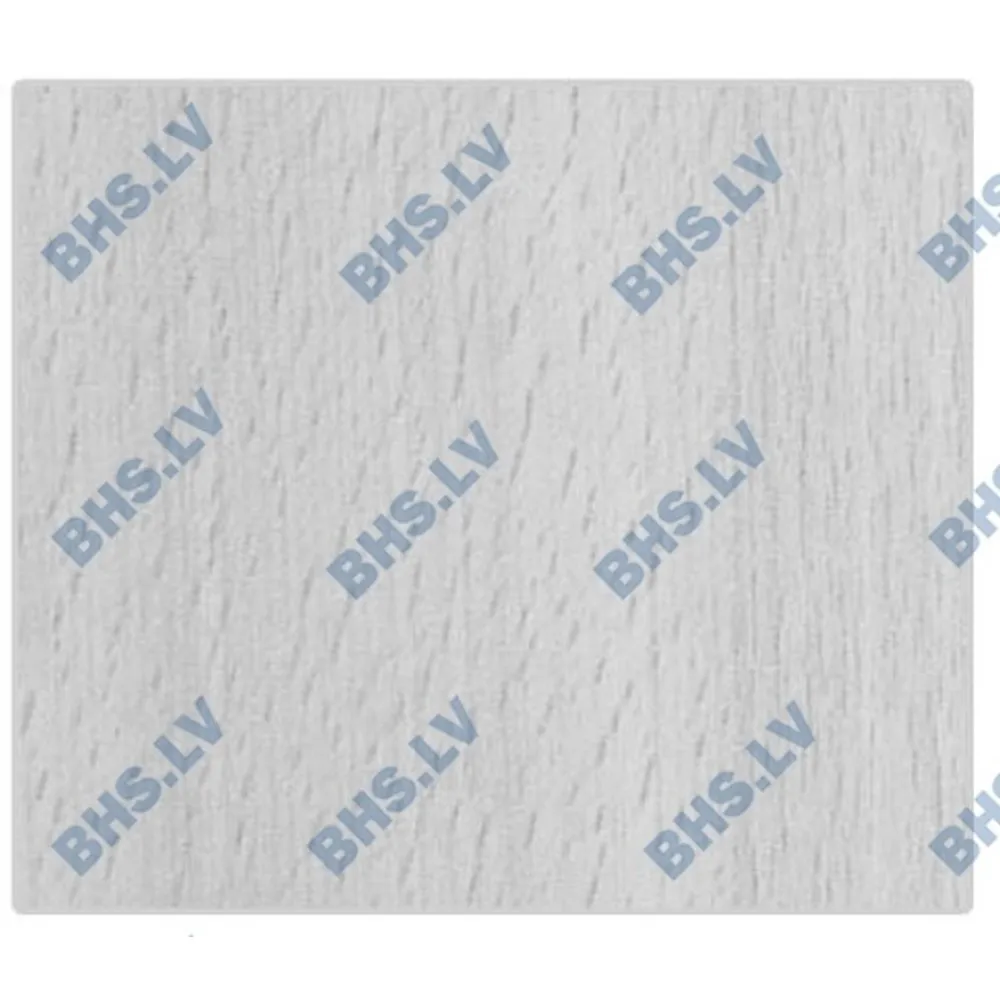
A solid beech table top provides a sturdy, long-lasting work surface in professional kitchens, bakeries and food preparation areas. Beech wood is chosen for its natural density and resistance to wear, absorbing daily impacts from knives, pots and heavy equipment without splintering or denting. The material also resists moisture better than softer woods, reducing warping and swelling when exposed to steam or spills. Over time, the surface develops a patina that protects the wood while maintaining a smooth, hygienic finish that can be sanded and refinished as needed.
The 40 mm thickness ensures the top remains flat and stable under load, preventing sagging or flexing even when heavy mixers, slicers or trays are placed on it. This rigidity is essential for tasks requiring precision, such as rolling pastry, portioning meats or assembling plated dishes. The solid construction also dampens vibrations, reducing noise and movement when equipment like blenders or food processors operate on the surface.
Installation involves securing the top to a compatible base or frame, which may be adjustable in height to suit different kitchen workflows. The length can be specified up to 2000 mm, allowing the surface to span multiple workstations or fit into custom layouts without seams. Once in place, the top requires minimal maintenance beyond regular cleaning with mild detergent and occasional oiling to preserve its moisture resistance and appearance.
The natural grain of beech provides a non-slip surface that helps keep cutting boards and bowls in place during use. Unlike laminated or composite tops, solid beech does not delaminate or peel, and any scratches or marks can be sanded out without compromising the integrity of the surface. This makes it a practical choice for environments where durability and ease of upkeep are priorities.
The table top is supplied as a single piece of solid beech, with no additional coatings or treatments applied. This allows operators to finish the surface to their preferred standard, whether with food-safe oils, waxes or varnishes, depending on the specific hygiene and aesthetic requirements of the kitchen.