\n \n\n\n
Choose category
Choose category
Your Cart

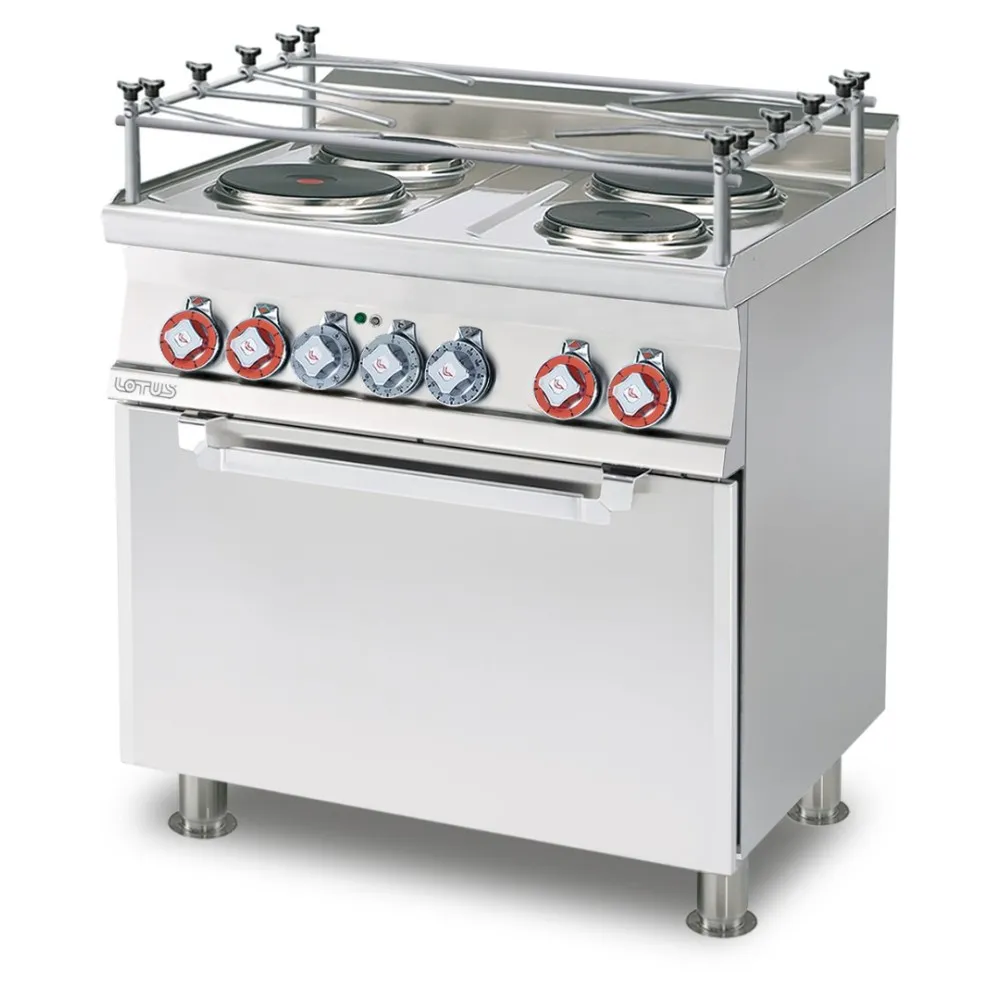
LOTUS CFM4-68ETX electric stove with oven for marine kitchens

LOTUS CFM4-68ETX electric stove with oven for marine kitchens
Product images are illustrative
Product images are illustrative. The videos in the product description are for informational purposes only, so the information contained in them may differ from the product itself.

Technical data

Attributes
ARTICLE 06660831
POWER 10.05 kW
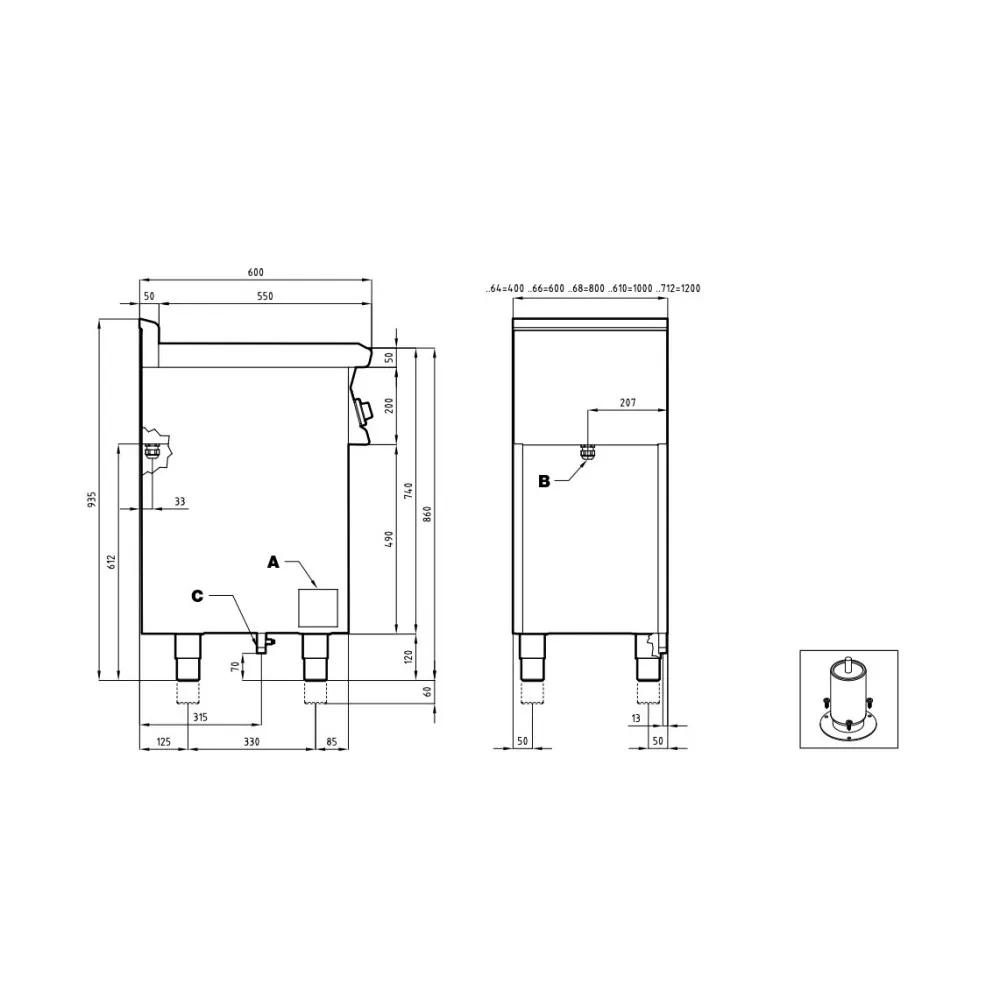
SIZE L/W/H 800/600/900 mm, oven 640x370x350 mm
VOLTAGE 400V-3 ;50/60Hz
WEIGHT 92 kg
NOTES 1 grid 53x32.5 cm
LOTUS CFM4-68ETX electric stove with oven for marine kitchens

Multifunctional oven 50-250*C.

Stell oven doors.

Grid for fixing pots.

  • : LOTUS
  • Article number: 06660831
Is available
3,159.00€
with VAT: 3,822.39€

An electric stove built for the motion and humidity of shipboard kitchens, combining sealed cast-iron hot plates and radiant ceramic glass tops with a static or multifunction oven in one unit.

Electric stoves of this type heat by passing current through resistance elements beneath the cooking surface. Cast-iron plates concentrate the heat directly into the base of pots and pans, while radiant ceramic glass tops use embedded elements to spread heat evenly across the surface. The oven below relies on electric elements at the top and bottom, controlled by a thermostat that cycles the power to hold the set temperature. On a ship, the sealed construction and absence of open flames reduce fire risk and keep heat where it belongs.

The operator starts by selecting the cooking zone: the cast-iron plate or the ceramic glass top. Each zone has its own seven-position switch that sets the power level, and a warning light shows when the ceramic surface is still hot. The oven is set separately, with a dial that adjusts the temperature from 50 to 300 °C. Once the temperature is reached, the oven maintains it automatically. A grid inside the oven holds trays or dishes, and rolling racks beneath the stove lock pots in place to prevent movement at sea.

The stove is fabricated from 18/10 CrNi stainless steel, satin-polished to resist corrosion and staining. The worktop is 1 mm thick with rounded edges, and a rear splashback protects the wall. Chromed details and waterproof IPX5-rated knobs complete the marine construction. The front control panel lifts away for access to all serviceable parts, and adjustable flanged feet allow the unit to be levelled on a rolling deck.

A power rating of 10.05 kW indicates a heavy load on the ship's electrical system, requiring a 400 V three-phase circuit with 50 or 60 Hz supply. The 92 kg weight means the stove is moved with a trolley or hoist, not carried by hand. The 800 × 600 × 900 mm footprint fits standard marine galley layouts, while the oven cavity of 640 × 370 × 350 mm holds a single grid of 53 × 32.5 cm.

Cleaning follows from the materials: stainless steel surfaces wipe down with a damp cloth, and the ceramic glass top can be scraped with a razor blade once cool. The cast-iron plates are seasoned after cleaning to prevent rust, and the oven interior is wiped with a non-abrasive cleaner. The front panel is removed periodically to clear any grease or salt build-up behind the controls.

The CFM4-68ETX is supplied as a single unit with static or multifunction oven variants, adjustable flanged feet, and rolling racks to secure pots during operation.

There are no reviews for this product.

Write a review

Note: HTML is not translated!
Bad           Good

Delivery and warranty

Free Shipping
Free delivery throughout Latvia over 200€ up to 30 kg. Does not apply to promotional items. Learn more.
Best Typography Options
12-month warranty for professional equipment, 24 months for “home” products. Learn more.
Professional Maintenance and Repair
A wide range of HoReCa spare parts and knowledgeable craftsmen. Learn more.

Large purchase volume or don't know where to start?